Glorious Imperfections: Why Gen Z Is Hunting Down Bootleg Concert Tapes Instead of Streaming Clean
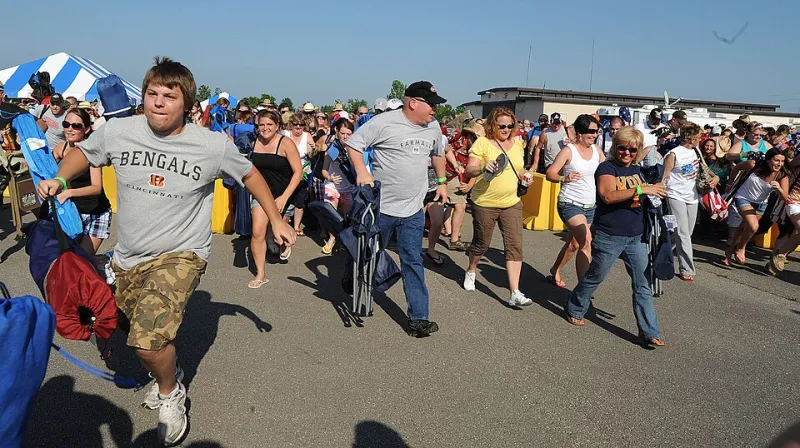
Photo: US Army - Rob McIlvaine, FMWRC, Public domain, via Wikimedia Commons
There's a recording floating around a private Discord server right now. It's a 2003 Radiohead show in Chicago — taped from the soundboard, slightly muddy in the low mids, with a brief moment where someone bumps the recorder around the third song. It's technically imperfect. It's also, according to the couple hundred people trading it, absolutely irreplaceable.
This is the bootleg underground, and it's very much alive.
What started decades ago with cassette-toting Deadheads sneaking microphones past security guards has quietly evolved into a thriving digital ecosystem. And increasingly, the people driving it aren't aging boomers chasing nostalgia — they're Gen Z listeners who grew up with Spotify and Apple Music but are actively choosing to opt out of the polished, algorithmic experience in favor of something rawer and more real.
The Discord Tape-Trading Scene
If you know where to look, the infrastructure is surprisingly robust. Dedicated Discord servers operate as modern-day tape trees, where users share links to FLAC files, SHN archives, and even cassette rips that have been painstakingly digitized. Forums like the Trader's Den and artist-specific communities on Reddit function as clearinghouses for setlists, recording specs, and source quality ratings.
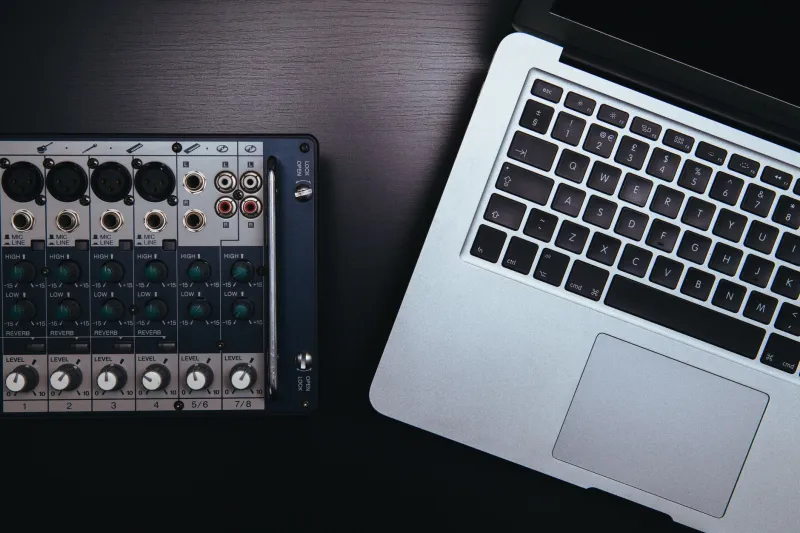
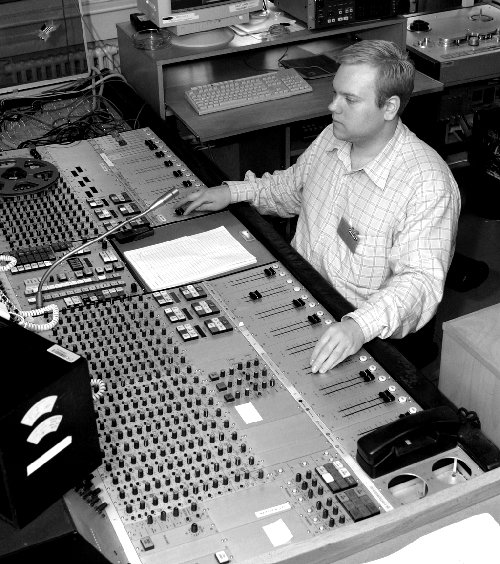
The language alone is a whole education. "SBD" means soundboard — a direct feed from the mixing console, typically cleaner but sometimes missing the room's energy. "AUD" refers to audience recordings, often captured on handheld equipment and full of crowd noise, echo, and accidental ambience. Collectors debate endlessly about which format captures the true spirit of a show.
"There's this thing that happens with a good audience recording where you can actually feel the room," says Marcus, a 23-year-old from Austin who collects bootlegs of indie and post-rock acts. "You hear someone cheer right after a guitar solo, or the way the bass hits differently in an outdoor venue. Streaming can't give you that. It's like the difference between a photograph and being there."
Why Imperfection Hits Different
The appeal isn't just nostalgia tourism. It's something more deliberate. Gen Z has grown up in an era of hyper-produced everything — auto-tuned vocals, surgically edited mixes, and tracks optimized for earbuds and algorithmic playlists. The sonic flaws in a bootleg recording aren't bugs to this crowd. They're features.
There's a growing conversation in audio culture around what researchers call "authentic imperfection" — the idea that certain kinds of sonic roughness signal truth and presence in ways that polished recordings simply can't. Lo-fi hip hop made this argument aesthetically. Bootleg culture makes it experientially.
Jenna, a 21-year-old music archivist-in-training from Brooklyn, puts it plainly: "When I listen to a bootleg, I'm not just hearing the songs. I'm hearing a specific night. A specific crowd. There's a version of a Phoebe Bridgers show from 2019 I've listened to probably forty times because something about the way she introduces one of the songs — you can hear she's kind of emotional — and that moment doesn't exist anywhere else. You can't stream that."
The Ethics of the Underground
Not everyone in the music world is thrilled about all of this. The ethics of bootlegging exist on a genuinely complicated spectrum. Many artists — Phish, the Grateful Dead's extended family, and plenty of jam-band acts — have long embraced taper culture, even designating specific sections at venues for recordists. Others actively oppose it.
For collectors, the unwritten code is pretty consistent: never profit, always share, and respect artist wishes. Commercial bootlegging — actually selling recordings — is widely condemned within the community. The culture is built around gifting and exchange, not monetization.
Musician and producer Theo Langford, who has played in touring indie acts for over a decade, describes a nuanced reaction to finding his own shows circulating online. "At first it felt weird," he says. "But then I listened to one. It was a show I barely remembered, and hearing it back — the crowd, the mistakes we made, the way we improvised a bridge — it was like finding a home video I didn't know existed. I'm honestly kind of glad it's out there."
Archiving the Ephemeral
Beyond the collector culture, there's a preservation angle that even the most streaming-loyal listener might appreciate. Live performances are inherently fleeting. Without documentation, they simply vanish. The bootleg community has, almost accidentally, become one of the most active forces in music archiving in the country.
The Internet Archive's Live Music Archive section hosts hundreds of thousands of audience and soundboard recordings, all freely available and legally shared with artist permission. It's a staggering resource — and it exists largely because of the taper community's decades-long obsession with capturing the moment.
"We're doing work that record labels and venues aren't doing," says Marcus. "Someday, some of these recordings are going to be the only document that a certain version of a band existed."
The Streaming Fatigue Factor
It would be easy to frame bootleg culture as pure anti-streaming rebellion, but it's more nuanced than that. Most collectors still use Spotify or Apple Music for everyday listening. What they're pushing back against isn't streaming itself — it's the completeness that streaming implies. The idea that every song worth hearing is already available, perfectly formatted, ready to consume.
Bootlegs break that illusion. They remind listeners that music is also an event, a physical experience that happens in a room between performers and an audience. Recorded music, however perfect, is always a translation. Sometimes the translation with the most artifacts is the one that feels most true.
For a generation that grew up with infinite access to music, the scarcity and specificity of a live recording — this show, this night, these people — carries a weight that a studio album simply can't replicate. It's not about rejecting quality. It's about redefining what quality actually means.
And right now, on servers and forums across the country, that redefinition sounds a lot like crowd noise bleeding into an opening chord.