Crackling Crowds and Missed Notes: Why Live Concert Recordings Are Selling Like Never Before
There's a moment on a bootleg recording of a Phish show from 1997 — a New Year's Eve set at Madison Square Garden — where the bass drops out completely for about four seconds. You can hear the crowd murmur, the band adjust, and then everything snaps back into place. The musicians don't acknowledge it. The music keeps moving. And somehow, that four-second glitch is one of the most human things you'll ever hear on a recording.
That moment can't be cleaned up. It can't be replicated in a studio. It happened once, in a room full of people, and it was captured. That's the whole point.
The Market That Shouldn't Exist (But Does)
By conventional industry logic, live recordings with technical imperfections should be a hard sell. We live in an era of near-infinite free music. Streaming libraries contain more songs than any human could listen to in multiple lifetimes. The idea that people would pay a premium — sometimes a significant one — for audio that includes crowd noise, monitor bleed, and the occasional tuning issue seems almost counterintuitive.
And yet the market is genuinely booming.
Bandcamp, before and after its complicated corporate transitions, became a hub for artists selling official live recordings directly to fans, often at price points that rival new studio albums. Nugs.net, a platform dedicated entirely to live music recordings from artists like Dead & Company, Widespread Panic, and Trey Anastasio Band, operates on a subscription model that charges fans monthly for access to a library of shows — and it has built a loyal, paying user base that would make many podcast networks envious. Wolfgang's Vault and similar archival services have turned decades-old concert recordings into premium catalog content.
Meanwhile, on the fan side, the tradition of taper culture — live show recording as a dedicated hobby — has evolved far beyond the cassette traders of the Grateful Dead era. Modern tapers show up with professional-grade stereo microphones, digital recorders, and the knowledge to capture a show at a quality level that can genuinely rival an official release.
What Listeners Are Actually Paying For
If you ask the fans why they pay, the answers cluster around a few consistent themes. Authenticity comes up constantly. So does the word "real." There's a fatigue with perfection that feels almost visceral when these listeners talk about it.
"I can hear every breath on a studio album," one regular Nugs subscriber said in a fan forum discussion last year. "Every note is exactly where it's supposed to be. But when I listen to a live show, I'm hearing people make music in real time, under pressure, in front of thousands of people. That's a completely different thing."
This isn't simply a rejection of quality. Most of the people spending money on premium live recordings are also listeners who care deeply about audio fidelity — they're the same crowd who'd debate the merits of 24-bit FLAC versus 16-bit CD quality. What they're after isn't low quality. It's honest quality. The difference matters.
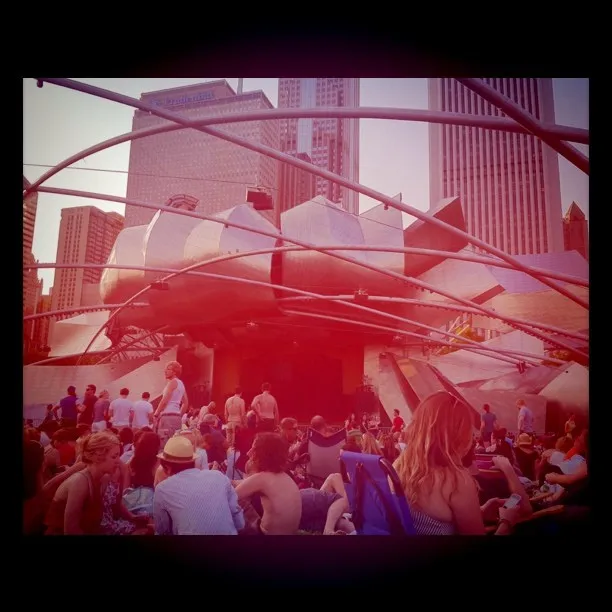
A live recording carries what you might call acoustic evidence of a moment. The ambient sound of the room, the specific acoustic signature of a particular venue, the energy of a crowd reacting in real time — these aren't flaws to be corrected. They're information. They're proof that something happened.
The Wellness Angle Nobody's Talking About
Here's a dimension of the live recording trend that doesn't get enough attention: the way these recordings function almost therapeutically for longtime music fans.
There's a well-documented psychological phenomenon around what researchers call "nostalgia and sound memory" — the way specific sonic environments can anchor us to emotionally significant moments. A recording from a show you attended doesn't just remind you of the music. It reconstructs the experience. The crowd sounds, the specific reverb of the room, even the way the mix was slightly too loud — all of it triggers episodic memory in ways that a pristine studio version simply cannot.
For fans who've built significant portions of their social lives and emotional histories around live music — and in the US, that's a massive community — these recordings aren't just entertainment. They're a form of sonic journaling. They're how you revisit a version of yourself that existed on a specific night, in a specific place, surrounded by specific people.
The pandemic years accelerated this dynamic considerably. When live music went dark for over a year, the market for archival live recordings spiked noticeably. Fans who couldn't go to shows found themselves deep in recordings of shows they'd attended years earlier, or shows they wished they'd been at. The emotional function of those recordings became impossible to ignore.
How Artists Are Rethinking the Live Archive
Smart artists have started treating their live catalog as a genuine revenue stream rather than a bonus offering. This represents a meaningful shift in how the music business thinks about the value of performance.
The traditional model treated the studio album as the primary artifact — the live show was marketing for the record. That logic has been flipped, at least for certain artists and audiences. For jam bands, folk artists, and experimental musicians with dedicated fan communities, the live show is the primary artistic product. The recordings are how that product gets monetized beyond the ticket sale.
Some artists are going further, offering tiered access to their live archives. Early show downloads available within 24 hours of a performance. Soundboard-quality recordings versus audience recordings. Multi-track mixes for fans who want to dig into the individual instrument channels. These aren't hypothetical — they're real offerings from real artists generating real revenue.
There's also a growing conversation about AI-assisted live recording enhancement. Companies are developing tools that can reduce crowd bleed, correct minor tuning issues, and improve the overall clarity of live recordings without stripping away the ambient character that makes them feel live. Whether that crosses a line for purists is a debate happening in real time across music communities.
The Sound of Something That Can't Be Repeated
At the core of all of this is something genuinely profound about what live music means to people. A studio recording is a document of what was possible. A live recording is a document of what actually happened — with all the variables, all the risks, all the human unpredictability that entails.
The crowd noise isn't a flaw. It's a reminder that you weren't alone in that room. The missed note isn't a mistake. It's evidence that someone was pushing themselves in front of an audience and didn't quite make it — and kept going anyway.
That's the sound of being alive. No wonder people are paying for it.