Pressed, Shared, Monetized: How the Art of the Playlist Became Serious Business
There's something almost poetic about the fact that one of music's oldest traditions — carefully selecting songs to share with someone — turned out to be one of the streaming era's most valuable skills. The mix tape never really died. It just got a Wi-Fi connection, a follower count, and in some cases, a paycheck attached to it.
Playlist curation has quietly evolved from a personal pastime into a full-blown creative economy, and the people who figured that out early are now sitting on something genuinely powerful: cultural capital that converts.
From Blank Cassette to Cultural Currency
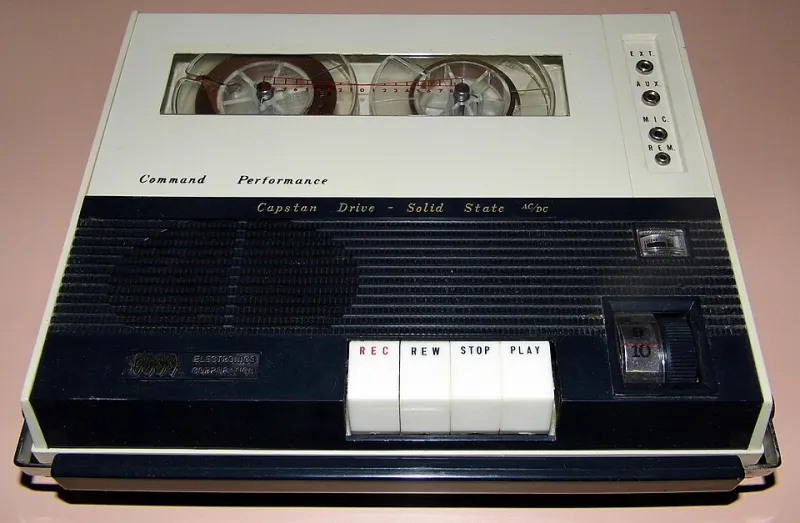
Back in the '80s and '90s, making someone a mix tape was an act of pure devotion. You planned the track order. You timed the gaps. You maybe even drew on the case with a Sharpie. The effort was the point — it communicated care, taste, and identity all at once.
Fast forward to today, and that same emotional logic is driving millions of playlist saves on Spotify, Apple Music, and Tidal. The medium changed. The meaning didn't. What did change is that platforms started attaching real numbers to curation — follower counts, stream data, save rates — and once something becomes measurable, it becomes monetizable.
The result? A sprawling, informal economy built around the art of the well-timed track sequence.
The Playlist Placement Game
If you've spent any time in indie music circles, you've heard the term "playlist pitching." It's exactly what it sounds like: artists and their teams reaching out to independent curators, hoping to land a spot on a playlist with serious reach.
Third-party playlist curators — people who built followings on Spotify or SoundCloud by consistently delivering great listening experiences — have become genuine gatekeepers. Some of them charge placement fees (a practice that exists in a legally murky gray zone on certain platforms), while others work through legitimate playlist promotion services that connect artists with curators in a more transparent way. Sites like SubmitHub turned the whole thing into a structured marketplace, letting artists pay small fees to have their tracks reviewed by real human curators who decide whether the vibe fits.
For curators with tens of thousands of followers, that inbox is a business. For the artists who land the right placement, it can mean thousands of new listeners overnight.
Influencers Who Lead With Sound
Here's where it gets interesting for the broader entertainment world. Playlist curation isn't just for music industry insiders anymore. A new wave of audio-forward influencers has figured out that leading with sound — rather than visuals — is a surprisingly effective way to build a dedicated audience.
Think about the fitness instructor whose Spotify playlist has more followers than their Instagram. Or the lifestyle blogger whose "Sunday morning coffee" playlist gets embedded in newsletters and linked in bio pages. These creators aren't just sharing music — they're building a sonic identity that their audience associates with a feeling, a mood, a whole aesthetic.
Brands noticed. Playlist sponsorships are now a real thing. A wellness brand might pay a curator to build a "focus and flow" playlist that subtly reflects their values. A clothing label might commission a summer road trip mix that lives on their website. It's content marketing, but it sounds good.
The Tools Making It All Work
The infrastructure behind playlist-as-business has gotten surprisingly sophisticated. Beyond the major streaming platforms themselves, a whole ecosystem of tools has emerged to help curators track performance, grow their audiences, and pitch their value to potential partners.
Spotify for Artists gives curators data on who's listening and where. Third-party analytics tools like Chartmetric let serious players monitor playlist movement across platforms in real time. Newsletter platforms like Substack have become home to audio-obsessed writers who pair editorial commentary with embedded playlists, turning curation into a subscription product.
Some curators have gone even further, building Discord communities around their playlist brands — essentially recreating the mix tape exchange in digital group chat form, where members share finds, vote on additions, and argue passionately about whether a certain track kills the vibe. (It always does. Someone always thinks it does.)
What Makes a Playlist Actually Worth Something?
Not every playlist is created equal, and the market knows it. The curators who've turned their taste into genuine assets share a few common traits.
Consistency of identity. The best playlists aren't just collections of good songs — they have a point of view. Whether it's "late-night lo-fi for overthinkers" or "Southern rap deep cuts from 2003 to 2009," specificity builds trust. Followers know what they're getting, and they come back because of it.
Active maintenance. A stale playlist is a dead playlist. The curators who matter are the ones refreshing their lists regularly, pulling tracks that no longer fit, and staying plugged into what's emerging. It's not passive work.
Cross-platform presence. The smartest curators don't live on just one platform. They might build the playlist on Spotify, promote it on Instagram Reels with short audio clips, discuss it on a podcast, and archive it in a newsletter. The playlist becomes a content hub, not just a song list.
Genuine taste, not trend-chasing. Audiences are remarkably good at sniffing out inauthenticity. The curators who last are the ones who clearly love what they're sharing — and that enthusiasm is contagious.
The Artist's Angle
For musicians, the playlist economy has fundamentally changed how they think about releasing music. Getting added to the right playlist can outperform a press mention in terms of raw reach. Some artists now structure their release strategy entirely around playlist culture — dropping singles that fit the sonic profile of high-traffic playlists, timing releases to align with seasonal listening habits (yes, "fall vibes" playlists are a real marketing target), and building relationships with curators long before they have something to pitch.
It's a hustle, but it's a smart one. The streaming economy rewards discovery, and playlists are still one of the primary ways listeners find new music. Getting into that pipeline matters.
The Mix Tape Spirit, Upgraded
What's worth stepping back to appreciate is how much of the original mix tape spirit survived the transition to streaming. The best curators aren't thinking about algorithms or placement fees when they build something great — they're thinking about the listener. What does this person need to hear right now? What song bridges this mood to the next one? Where does this playlist take you by the end?
That emotional intelligence, that sonic empathy, is what separates a playlist that gets saved from one that gets skipped. And it turns out, in 2024, emotional intelligence has a market rate.
The mix tape economy is real, it's growing, and it's being built by people who genuinely love sound. Which, honestly, feels exactly right.